

car-care
How Often Should You Get Car Valeting in Devon? A Complete Guide
Discover the ideal car valeting schedule for Devon's wet climate. Expert guidance on protecting your vehicle from rain, salt spray, and mud damage.
1 Apr 2026Read article
Discover how to safely remove stubborn red Devon clay and mud stains from your car's paintwork, wheels and undercarriage after driving country lanes.

If you've driven down any of Devon's narrow country lanes recently, you'll know exactly what we're talking about. That distinctive red-orange mud that seems to coat every surface of your vehicle isn't just ordinary dirt – it's Devon's iron-rich clay soil, and it's notorious for being one of the most stubborn substances to remove from car paintwork.
Whether you've been exploring the lanes around Exeter, heading out to Dartmoor, or navigating the narrow routes through East Devon's villages, that rusty-coloured clay has likely left its mark. At JJ Mobile Valeting, we deal with red Devon mud on a daily basis, and we understand the challenges it presents to car owners across the region.
Let's explore why this particular type of mud is so problematic and how to remove it effectively without damaging your vehicle's finish.
Devon's characteristic red soil gets its colour from high iron oxide content – the same compound that causes rust. This isn't just cosmetic information; it's crucial to understanding why this mud behaves differently from regular dirt.
The clay particles are extremely fine and have an almost adhesive quality when wet. They bond to paintwork, nestle into every crevice around trim and badges, and work their way into wheel arches and undercarriage components. When it dries, it becomes cement-hard, making removal even more challenging.
More concerning is the potential for staining. The iron content can actually leave permanent discolouration on light-coloured paintwork if left for extended periods, particularly in warm weather when the sun bakes it onto the surface. This is especially problematic on white, silver, and cream vehicles that are popular across Exeter and Devon.
Before we discuss the correct approach, let's address what not to do – mistakes we see regularly that can cause more harm than good.
Don't start scrubbing immediately. When that clay is still thick and caked on, aggressive scrubbing will drag abrasive particles across your paintwork, creating fine scratches and swirl marks. This is particularly problematic on darker-coloured vehicles where these imperfections show up more readily.
Don't use a pressure washer at close range on dried clay. Whilst pressure washers are useful tools, blasting dried clay at high pressure can chip paintwork and force contaminated water into door seals, mirrors, and other vulnerable areas.
Don't let it dry completely before attempting removal. The longer that red Devon clay sits on your paintwork, especially in sunlight, the more difficult it becomes to remove and the greater the risk of staining.
Don't use household cleaning products. Kitchen degreasers, washing-up liquid, and other household cleaners aren't formulated for automotive paintwork and can strip protective waxes and sealants, leaving your car more vulnerable to future contamination.
The key to safe removal is patience and the right products. Start with a thorough pre-rinse using a hose or pressure washer (kept at a safe distance of at least 30cm). The goal here isn't to blast the clay off but to saturate it and begin the softening process.
For heavily soiled vehicles – which is common after navigating lanes around Crediton, Honiton, or the Teign Valley – allow a pH-neutral pre-wash solution to dwell on the surfaces for several minutes. This chemical assistance helps break down the clay's bond with your paintwork without requiring aggressive mechanical action.
Once the clay has been softened, use the two-bucket wash method with a high-quality car shampoo. One bucket contains your clean wash solution, the other plain water for rinsing your wash mitt between panels.
Work from top to bottom – the roof and upper panels will be least contaminated, whilst the lower panels, sills, and wheel arches will have the heaviest clay accumulation. This prevents you from dragging heavier contamination across already-cleaned areas.
Use a soft microfibre wash mitt and gentle pressure. Let the shampoo and water do the work rather than relying on elbow grease. You may need to make several passes over heavily affected areas, rinsing your mitt frequently.
This is where Devon's red clay really accumulates. The wheel arches, suspension components, and undercarriage catch vast amounts of mud on country lanes, and this area requires special attention.
A dedicated wheel brush and arch cleaning brushes are essential here. For severe build-up, you might need a stronger all-purpose cleaner (still vehicle-safe) to break down the clay. Be thorough – clay left in wheel arches will continue falling onto your driveway for days and can eventually cause corrosion issues on metal components.
Even after a thorough wash, you may find that your paintwork still feels rough to the touch, particularly on the lower panels. This is because microscopic clay particles remain bonded to the surface.
A clay bar treatment involves using a specialist clay bar with a lubricant to lift these embedded contaminants from the paintwork. This process leaves the surface smooth and ready for protection. It's time-consuming and requires technique to avoid marring the paint, which is why many Exeter car owners turn to professional detailing for this stage.
Once you've invested time and effort removing that stubborn red clay, you'll want to prevent it happening again – or at least make future cleaning easier.
A good quality wax or paint sealant creates a protective barrier that makes it harder for clay particles to bond with your paintwork. Even better is a ceramic coating, which provides longer-lasting protection with superior hydrophobic properties that help mud slide off more easily.
Regular washing is crucial if you frequently use Devon's country lanes. Don't wait for weeks between washes – the longer that clay sits, the harder it becomes to remove. Consider booking regular mobile valeting near you to maintain your car's condition without the hassle of finding time for DIY cleaning.
Some clay contamination situations simply require professional intervention. If you've left the mud to bake on for several days in warm weather, attempted cleaning with incorrect products, or notice discolouration that won't budge, it's time to seek expert assistance.
At JJ Mobile Valeting, we have professional-grade products and equipment specifically for dealing with Devon's challenging red clay. Our valeting services include proper pre-treatment, safe washing techniques, clay bar treatment when needed, and protective coatings to guard against future contamination.
We come to your location across Exeter and Devon, meaning you don't need to drive your mud-caked vehicle through town to reach a car wash. We'll tackle the problem at your home or workplace, returning your car to pristine condition.
Living in or visiting Devon means enjoying some of the most beautiful countryside in the UK, but it also means accepting that red clay mud is simply part of the experience. Those narrow lanes that connect villages, provide access to rural locations, and offer scenic routes are often edged with muddy banks, especially during autumn and winter months.
The key is managing the problem effectively rather than avoiding it entirely (unless you're prepared to never leave the A-roads). Regular cleaning, proper technique, and professional assistance when needed will keep your vehicle looking its best despite the challenges our local roads present.
If your car is currently sporting that tell-tale red Devon coating and you'd rather not spend your weekend battling with stubborn clay stains, we're here to help. Whether you need a thorough post-country-lane clean or regular maintenance to keep on top of the problem, get a free quote from JJ Mobile Valeting today.
We understand the specific challenges of keeping vehicles clean in Devon, and we have the expertise and equipment to tackle even the most stubbornly clay-caked cars. Let us handle the dirty work while you enjoy the best of Devon's beautiful countryside – red mud and all.
Discover the ideal car valeting schedule for Devon's wet climate. Expert guidance on protecting your vehicle from rain, salt spray, and mud damage.
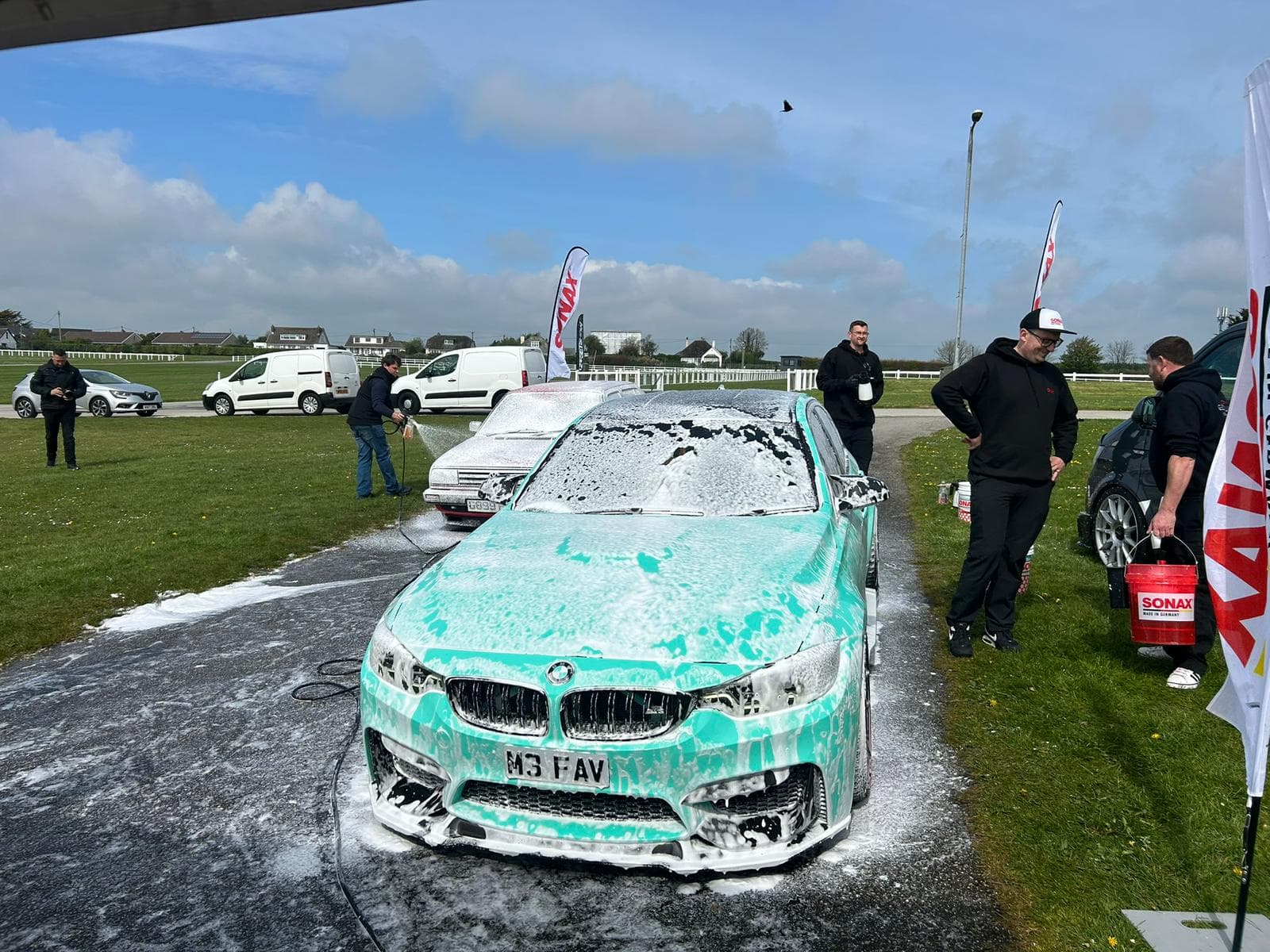
Struggling with dog hair and pet smells in your car? Discover professional techniques to remove stubborn pet hair and eliminate odours from your vehicle interior.
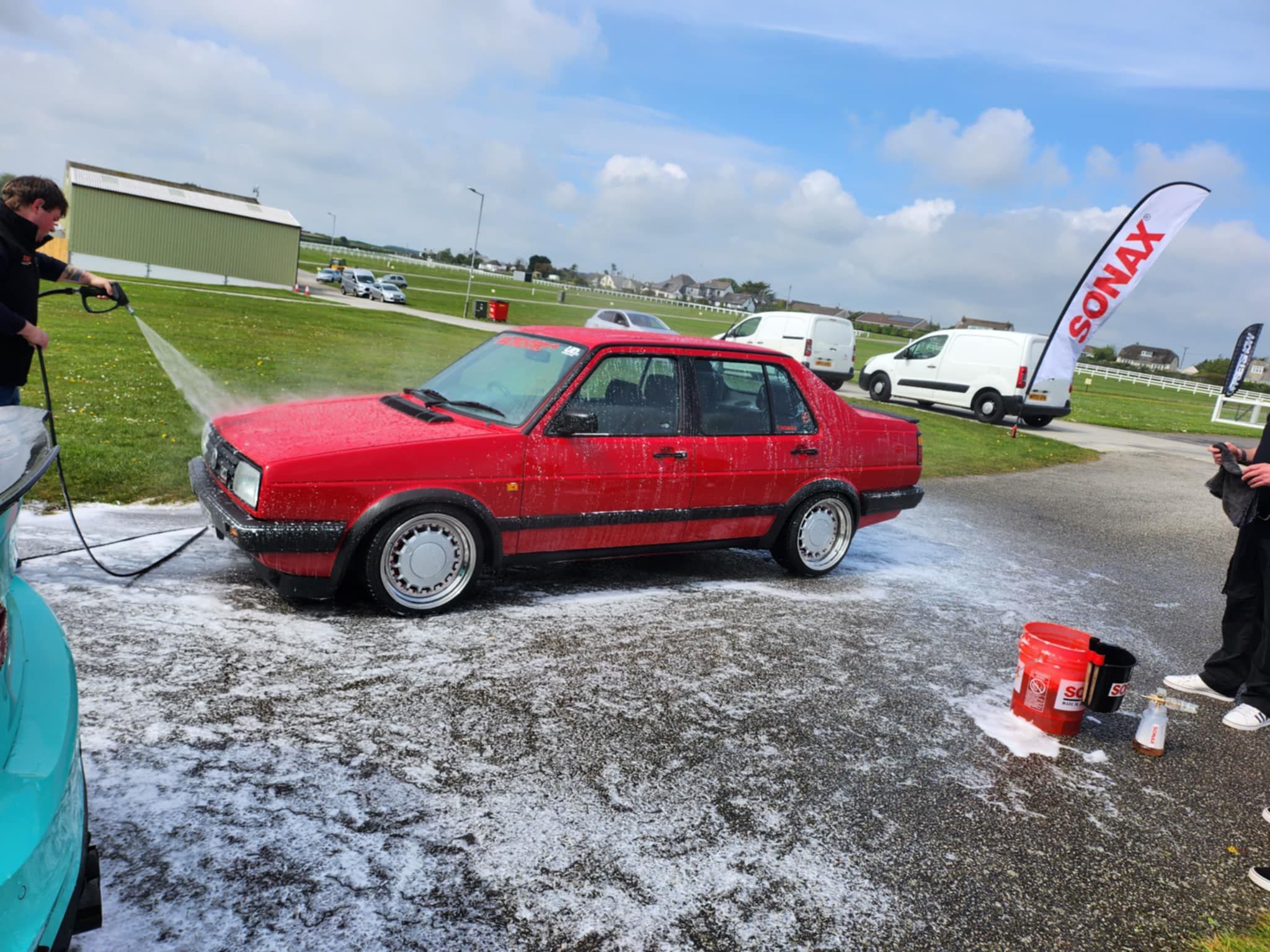
Discover effective methods to remove stubborn bug splatter and insect marks from your car's paintwork. Expert tips for Devon drivers this spring and summer.