

car-care
Why Mobile Car Valeting is Perfect for Busy Professionals in Exeter
Discover how mobile car valeting in Exeter saves time for busy professionals. Professional service at your doorstep across Devon. Book today.
1 Apr 2026Read article
Discover how often you should valet your car in Devon's rainy weather. Expert advice for Exeter and Devon car owners on protecting your vehicle year-round.

If you're a car owner in Exeter or anywhere across Devon, you'll know that our beautiful county comes with its fair share of rain. Whilst the lush green landscapes and dramatic coastlines are wonderful, the wet climate can wreak havoc on your vehicle's appearance and condition. So, how often should you really be getting your car valeted to keep it looking its best and protected from the elements?
Let's explore the unique challenges Devon's weather presents and create a practical valeting schedule that works for you and your vehicle.
Devon's climate is characterised by higher-than-average rainfall, coastal salt spray, muddy rural roads, and damp conditions that persist for much of the year. This combination creates the perfect storm for vehicle deterioration.
Rain and Moisture: Devon receives approximately 900-1000mm of rainfall annually in Exeter, with even higher levels on Dartmoor and along the coast. This constant moisture can lead to water spots, streaking, and if left unchecked, rust formation in vulnerable areas.
Road Grime and Mud: Our beautiful Devon lanes are fantastic for countryside drives, but they deposit layers of mud, dirt, and organic matter on your vehicle. When mixed with rainwater, this creates an acidic coating that can damage paintwork over time.
Salt Spray: If you live near the coast or regularly drive to Devon's stunning beaches, your car is exposed to salt-laden air. Salt is particularly corrosive and can accelerate rust, especially on the undercarriage and wheel arches.
Reduced Sunlight: With more overcast days, your car's paintwork doesn't benefit from the drying effects of sunlight, meaning contaminants sit on the surface for longer periods.
For most Devon car owners, we recommend a full valet every 4-6 weeks. This frequency strikes the right balance between maintaining your vehicle's condition and managing costs. Regular our valeting services at this interval ensure that harmful contaminants don't have time to bond permanently with your paintwork or cause lasting damage.
If you drive a prestige vehicle, a newer car you want to keep in showroom condition, or simply take great pride in your vehicle's appearance, consider professional valeting every 2-4 weeks. This more frequent schedule provides optimal protection against Devon's challenging climate and maintains that 'just detailed' look year-round.
We understand that budgets vary. At minimum, aim for a comprehensive valet every 8-12 weeks, with basic washes in between. However, don't leave it longer than this in Devon's wet climate, as you risk more costly paint correction or rust treatment down the line.
This is when Devon's weather is at its wettest and most challenging. During these months, consider increasing your valeting frequency.
Spring in Devon brings April showers, tree pollen, and the remnants of winter grime.
Even Devon's summer isn't entirely dry, but conditions are generally more favourable.
Regardless of your regular schedule, certain situations call for immediate attention:
Regular valeting removes corrosive contaminants before they can damage your paintwork. Combined with professional detailing and protective coatings, you're creating a barrier against Devon's harsh elements.
By keeping your vehicle clean, especially the undercarriage and wheel arches, you significantly reduce the risk of rust formation – a common issue for Devon vehicles exposed to constant moisture.
A well-maintained car with excellent paintwork and no rust issues commands a much higher resale value. Regular valeting is an investment in your vehicle's future worth.
Devon's damp climate can lead to musty odours, mould growth, and moisture buildup inside your vehicle. Regular interior valeting keeps your cabin fresh and healthy.
Clean windows, mirrors, and lights are essential for safe driving in Devon's frequently rainy conditions. Regular valeting ensures optimal visibility.
For busy Devon residents, finding time to visit a valeting centre can be challenging. That's where mobile valeting near you becomes invaluable. We come to your home or workplace in Exeter and throughout Devon, meaning you can maintain your regular valeting schedule without disrupting your day.
Mobile valeting is particularly beneficial during wet weather – you don't need to drive your freshly cleaned car through rain and mud to get home!
Consider these factors when determining your ideal frequency:
Whilst home washing between professional valets is beneficial, there's no substitute for expert care. Professional valeting includes:
Living in Devon means embracing our wonderful wet climate, but it doesn't mean accepting a dirty, deteriorating vehicle. For most Exeter and Devon car owners, a professional valet every 4-6 weeks provides excellent protection and maintains your car's appearance and value.
Adjust this frequency based on the season, your specific circumstances, and your vehicle's needs. Remember that prevention is always more cost-effective than correction – regular valeting prevents the need for expensive paint correction, rust treatment, or premature vehicle depreciation.
Ready to protect your car from Devon's demanding climate? Get a free quote today and discover how easy it is to maintain your vehicle's condition with regular professional valeting. Your car works hard for you in all weathers – it deserves the care that keeps it looking and performing its best.
Discover how mobile car valeting in Exeter saves time for busy professionals. Professional service at your doorstep across Devon. Book today.
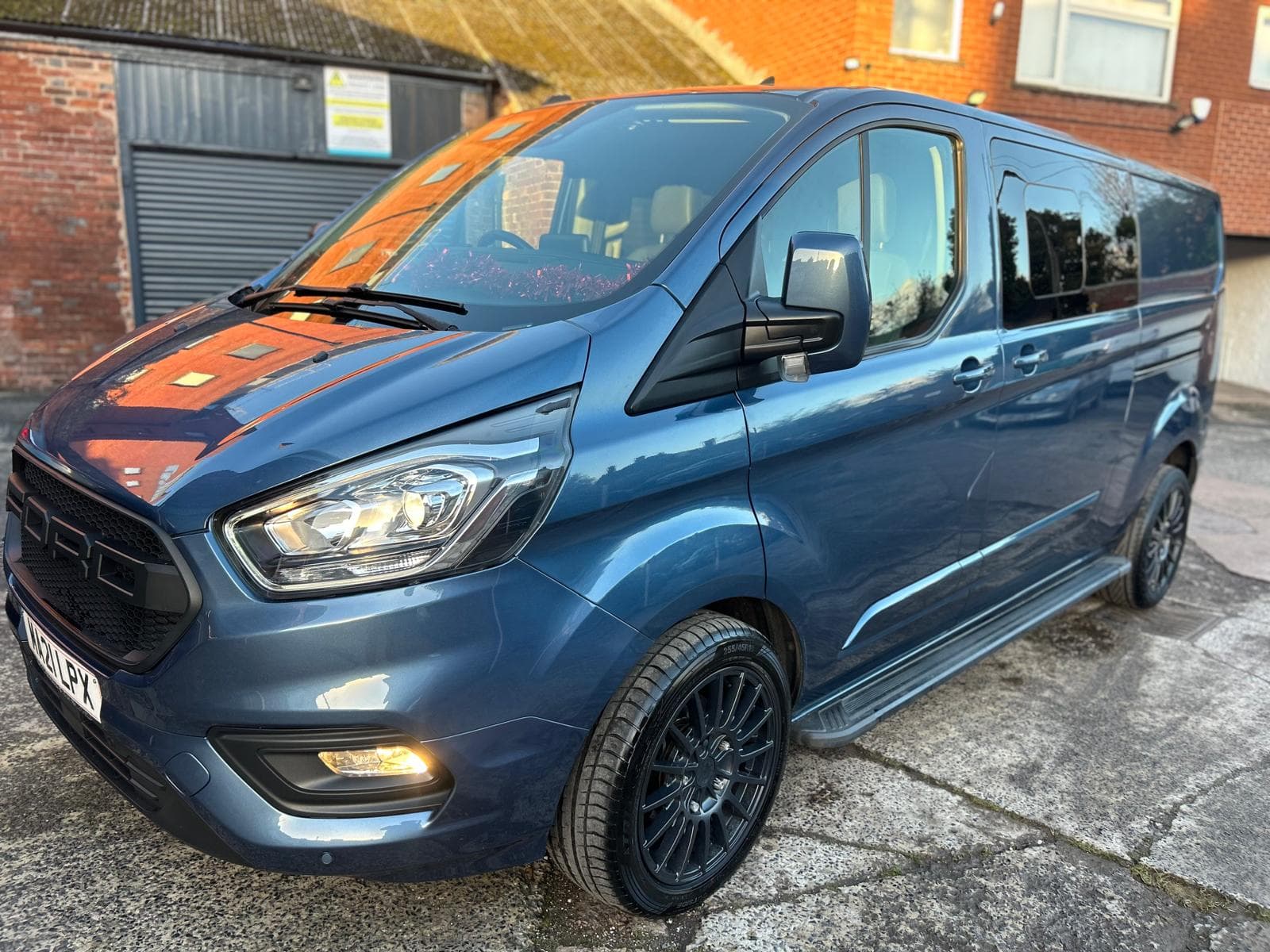
Spring pollen can damage your car's paintwork. Learn how Devon car owners can protect their vehicles from pollen damage with expert tips from JJ Mobile Valeting.
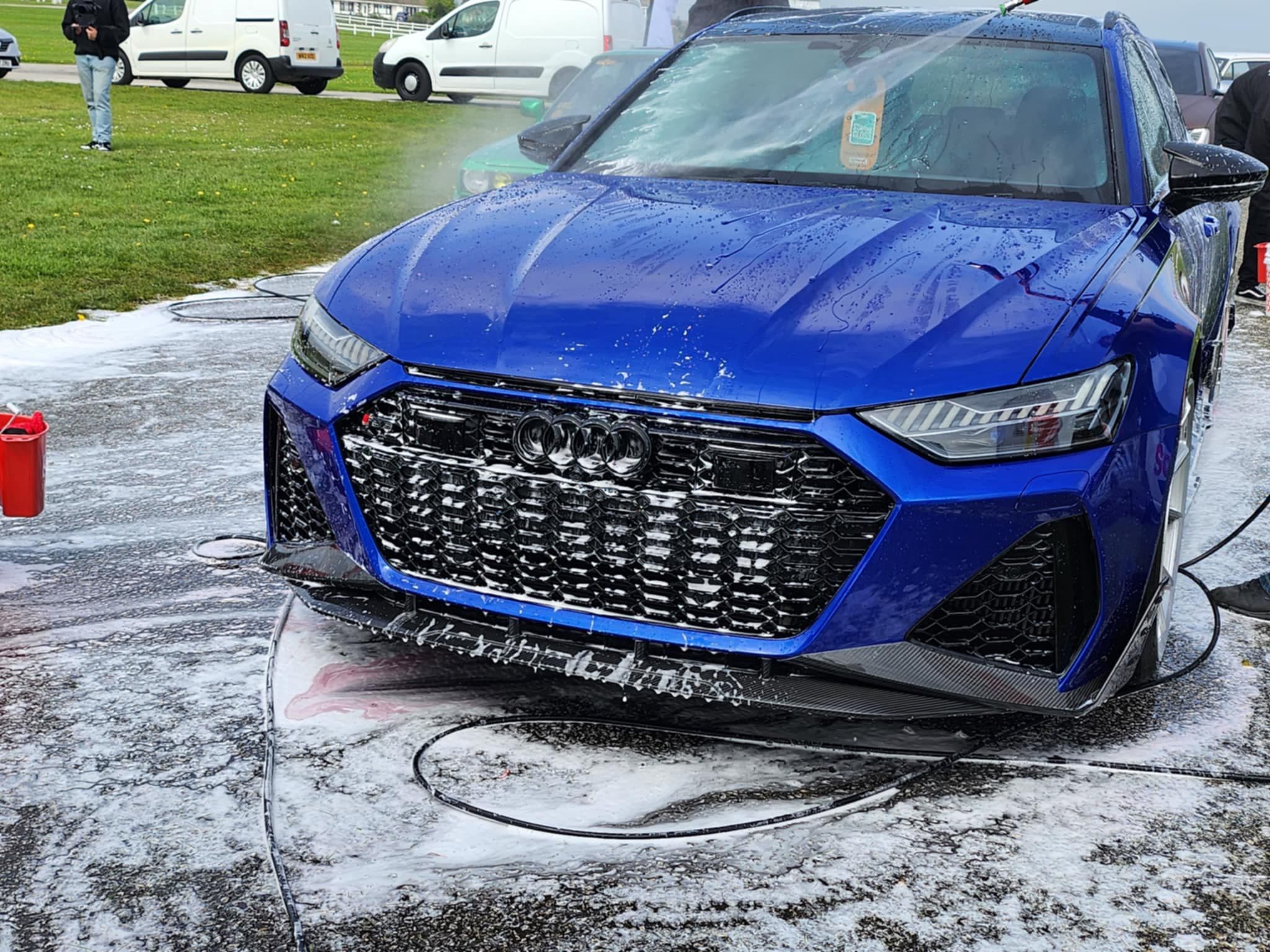
Discover how to protect your car's interior from sun damage during Devon's summer. Expert tips from Exeter's mobile valeting specialists.