How to Clean Your Car After Visiting Devon's Beaches This Bank Holiday Weekend
The Early May Bank Holiday weekend is nearly upon us, and with sunshine forecast across Devon, thousands of locals and visitors will be heading to our stunning coastline. Whether you're planning a family day out at Exmouth, a surfing session at Croyde, or a scenic drive along the South West Coast Path to Dawlish Warren, your car is about to face some serious challenges.
Sand, sea salt, and coastal debris can wreak havoc on your vehicle if left unattended. As Devon's leading mobile car valeting specialists serving Exeter and surrounding areas, we've seen it all – from sand-clogged carpets to salt-corroded wheel arches. Here's your comprehensive guide to protecting your pride and joy after a brilliant day at the beach.
Why Beach Trips Are Particularly Harsh on Your Car
Before we dive into the cleaning process, it's worth understanding exactly what you're dealing with. Devon's beaches – whilst absolutely beautiful – present a unique cocktail of challenges for your vehicle:
Sea Salt Spray: Even if you park well away from the shoreline, salt spray can travel surprising distances on coastal breezes. This corrosive substance accelerates rust formation on metal surfaces, particularly on the undercarriage, wheel arches, and any areas where paintwork has been chipped.
Sand Infiltration: Sand has an uncanny ability to find its way into every crevice of your car. It gets tracked in on shoes, blown in through open windows, and can even accumulate in door seals and boot areas. Once inside, it acts like sandpaper, potentially scratching surfaces and damaging upholstery.
Seaweed and Organic Debris: Parking near beaches like those at Budleigh Salterton or Sidmouth often means exposure to windblown seaweed, which can stain paintwork if left to dry on the surface.
The Post-Beach Cleaning Timeline
Timing is crucial when dealing with beach-related contamination. Ideally, you should clean your car within 24-48 hours of your beach visit. The longer you leave salt and sand to settle, the more damage they can potentially cause.
Step-by-Step Exterior Cleaning Guide
1. Start with a Thorough Rinse
Begin by giving your entire car a comprehensive rinse with clean water. Pay particular attention to:
- Wheel arches and undercarriage: Use a strong jet of water to flush out sand and salt that's accumulated in these hidden areas
- Door jambs and seals: Open all doors and the boot, rinsing around the rubber seals where sand loves to hide
- Grille and bumper vents: Sand can block cooling vents and drainage holes
If you have access to a pressure washer, this is the perfect time to use it. The strong water pressure will dislodge compacted sand far more effectively than a regular hose.
2. Pre-Wash Treatment
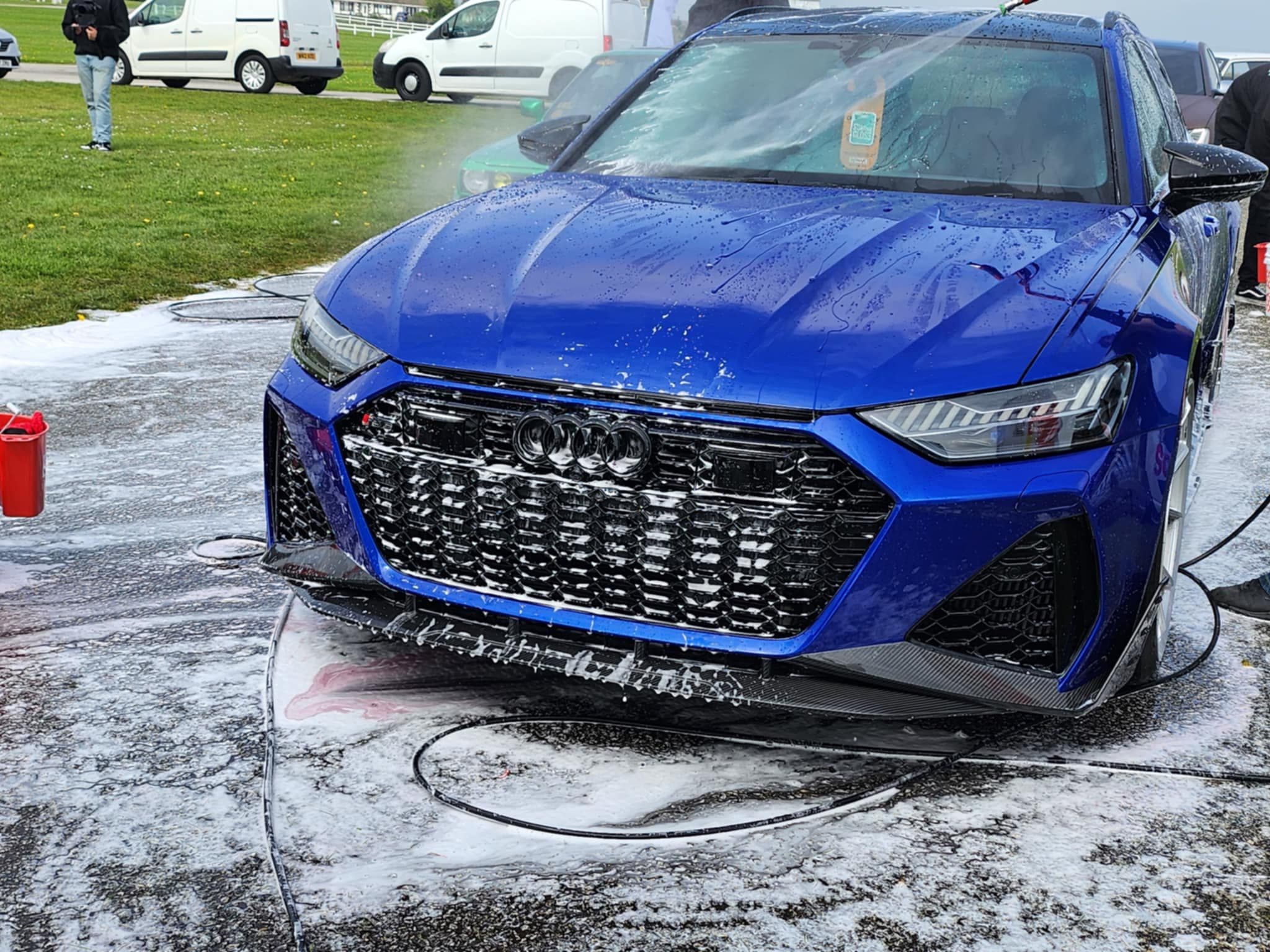
Before touching your paintwork with any wash mitt, apply a pre-wash foam or snow foam. This helps to lift remaining sand particles away from the surface, reducing the risk of scratching during the main wash. This step is particularly important after beach visits because sand particles can be incredibly abrasive.
3. The Two-Bucket Wash Method
Using quality car shampoo and the two-bucket method (one for soapy water, one for rinsing), wash your car from top to bottom. Work in sections and rinse your mitt frequently. The wheels and lower panels should be cleaned last as they'll contain the most contaminants from beach roads.
4. Don't Forget the Underside
If possible, get underneath your car or use a hose attachment that allows you to spray upwards. The undercarriage takes the worst beating from beach visits, with salt spray coating brake components, suspension parts, and the exhaust system. A thorough rinse here can prevent long-term corrosion issues.
5. Dry Properly
Use clean microfibre drying towels to dry your car completely. Leaving water to air-dry, especially if it contains dissolved salt, will leave water spots and salt deposits on the paintwork.
Tackling the Interior: The Sand Battle
1. Remove Loose Items and Mats
Take everything out of your car – floor mats, child seats, beach bags, and any other items. Shake out the mats vigorously to remove as much loose sand as possible.
2. Vacuum Thoroughly
This is where patience pays off. Use a powerful vacuum with various attachments to:
- Get into seat creases and seams where sand accumulates
- Vacuum under the seats and in footwells
- Use a brush attachment on upholstery to loosen embedded sand
- Don't forget door pockets, cup holders, and the boot area
You may need to vacuum multiple times, as sand that's embedded deeper in carpets and upholstery will work its way to the surface.
3. Wipe Down Hard Surfaces
Use a damp microfibre cloth to wipe down the dashboard, centre console, door cards, and any other hard surfaces. Salt residue can leave a sticky film that attracts dust.
4. Clean Door and Boot Seals
Rubber seals around doors and the boot often trap sand and salt. Use a damp cloth to wipe these clean, then apply a rubber protectant to prevent drying and cracking – particularly important in our salty Devon air.
Protective Measures for Future Beach Trips
Pre-Trip Preparation: Before heading to places like Woolacombe or Saunton Sands, consider applying a layer of wax or sealant to your paintwork. This creates a barrier that makes post-beach cleaning significantly easier.
Interior Protection: Invest in rubber boot liners and heavy-duty floor mats. These are far easier to clean than carpets and provide excellent protection. You might also keep a small brush and dustpan in the boot for a quick sand removal before people get back in the car.
Strategic Parking: When visiting popular Devon beaches like Dawlish Warren or Exmouth, try to park away from the immediate seafront where salt spray is less concentrated.
When to Call in the Professionals
Sometimes, despite your best efforts, beach sand and salt require professional attention. If you're dealing with:
- Sand that's deeply embedded in upholstery or carpets
- Salt stains on leather or fabric seats
- Stubborn deposits in hard-to-reach areas
- Multiple vehicles after a family beach outing
Our mobile valeting near you service can come directly to your Exeter home or workplace, saving you the hassle of driving to a car wash. We use professional-grade equipment and products specifically designed to tackle coastal contamination, and we're familiar with the particular challenges that Devon's beaches present.
For vehicles that have had multiple beach trips or haven't been properly cleaned after coastal visits, our professional detailing service includes deep cleaning of the interior, thorough decontamination of paintwork, and protective treatments that guard against future salt damage.
The Long-Term Benefits of Proper Post-Beach Care
Regular, thorough cleaning after beach visits isn't just about aesthetics – it's about protecting your investment. Salt corrosion can significantly reduce your vehicle's value and lifespan. In Devon's coastal climate, vehicles are particularly susceptible to rust, making preventative care essential.
By following these cleaning guidelines after each beach trip, you'll:
- Prevent corrosion and rust formation
- Maintain your car's resale value
- Avoid costly repairs to corroded components
- Keep your interior looking and smelling fresh
- Extend the life of your vehicle
Make the Most of Your Devon Beach Adventures
Living in Devon means we're blessed with some of the UK's most spectacular coastline right on our doorstep. From the dramatic cliffs of the Jurassic Coast to the family-friendly shores of Torbay, this bank holiday weekend offers perfect opportunities to enjoy our beaches.
Don't let concerns about car cleaning put you off these adventures. With the right approach and techniques, you can keep your vehicle in pristine condition whilst making the most of everything our beautiful county has to offer.
If you'd rather spend your bank holiday relaxing rather than scrubbing sand from your car, our team at JJ Mobile Valeting is here to help. We'll come to you anywhere across Exeter and Devon, taking care of every aspect of post-beach cleaning whilst you put your feet up.
Get a free quote today and let us handle the hard work, so you can focus on planning your next Devon beach adventure.
Conclusion
This bank holiday weekend, enjoy Exeter's easy access to Devon's stunning coastline with the confidence that you know exactly how to protect your car from beach-related damage. Whether you tackle the cleaning yourself or call in our valeting services, the key is acting quickly and thoroughly.
Here's to sunny skies, sandy toes, and a beautifully clean car ready for whatever adventures Devon has in store. Have a wonderful bank holiday weekend!